
What happens in the brain
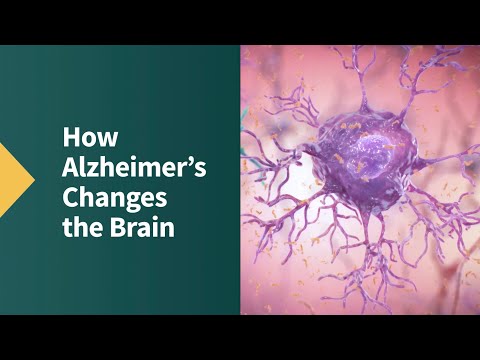
Alzheimer’s disease is defined by two abnormal protein deposits: plaques of amyloid beta between neurons and tangles of tau inside them. According to the National Institute on Aging, these changes are accompanied by chronic inflammation, loss of connections between neurons, vascular problems and, eventually, widespread neuron death and brain shrinkage. The changes begin years, probably decades, before the first symptoms.
The disease typically starts in regions important for memory, including the hippocampus and entorhinal cortex, which is why recent memory is usually affected first. Over time it spreads to regions responsible for language, reasoning and social behaviour.
The scale of the problem
The Alzheimer’s Association’s 2026 Facts and Figures report estimates 7.4 million Americans aged 65 and older living with Alzheimer’s dementia and projects $409 billion in US health and long-term care payments in 2026, a figure that excludes the enormous contribution of unpaid family caregivers. Globally, the World Health Organization estimates that 57 million people were living with dementia in 2021, with nearly 10 million new cases each year, and that Alzheimer’s accounts for 60 to 70 percent of them.
Where clearance fits
Amyloid beta was the first waste product shown to travel the glymphatic route in the 2012 Iliff study, and its clearance roughly doubled during sleep in the 2013 Xie study. Human studies have since linked poor sleep to higher amyloid burden, and glymphatic function declines with the same ageing process that is the biggest risk factor for Alzheimer’s. Whether restoring clearance can change the course of the disease is unproven, but it is one of the reasons the field is watching clearance research closely.
What can be done today
Recently approved antibody therapies can remove amyloid and modestly slow decline in early disease, with meaningful side-effect considerations. Beyond medication, the 2024 Lancet Commission’s fourteen modifiable risk factors remain the most broadly applicable guidance, and early diagnosis helps families plan. Anyone concerned about their memory should talk to a clinician; this page is background, not medical advice.
Watch
How to read this page
This is general educational background drawn from the sources below. It is not medical advice, and it is not evidence that any NeuroClearance system works. Where a finding comes from animals or from a small human study, the text says so.
Sources
- Alzheimer’s Association — 2026 Alzheimer’s Disease Facts and Figures
- World Health Organization — Dementia fact sheet
- National Institute on Aging — What happens to the brain in Alzheimer’s disease?
- Iliff et al., Science Translational Medicine, 2012 — A paravascular pathway facilitates CSF flow through the brain parenchyma
- Xie et al., Science, 2013 — Sleep drives metabolite clearance from the adult brain
- Livingston et al., The Lancet, 2024 — Dementia prevention, intervention, and care: 2024 report of the Lancet standing Commission